PATHMAGIC
Walk the trail.
Share what you find.
Help those who follow.
ABOUT
Our first hike was the Pennine Way, and we had no idea what we were doing.
We spent weeks searching for information — forums, blogs, Facebook groups, old comment threads. Half of it was out of date, and none of it was in one place. Gear was guesswork. Then, once we were actually on the trail, the questions changed anyway. Where do we sleep tonight? Is there anywhere to eat? Why is there a bull in this field?
What saved us was a guidebook. It told us walking times, tricky junctions and places to stay — the things a map can't. But a guidebook is printed once. The bull was there last April. The bridge washed away in February. Someone knew. There was just nowhere to put it.
That's why we're building Pathmagic.
A hiking platform that guides you from your first step on the trail to the day someone follows in your footsteps. The things you notice out there — where to find water, which paths become difficult after rain, the café worth the detour, or the viewpoint you nearly walked past — shouldn't disappear when you get home. Share them once, and they help everyone who follows.
We filmed the Pennine Way because it was funny, painful, unpredictable, and nobody was watching. We never really stopped. We make films for the same reason we made that one — because a film is often what inspires someone to lace up their boots and go.
THE FILMS
We make them ourselves.
We're two hikers, long hikes, no stock footage. Features, documentaries and shorts, produced in-house and released to the world. The films come from the same place the maps do — someone walked it, and wanted to hand it on.
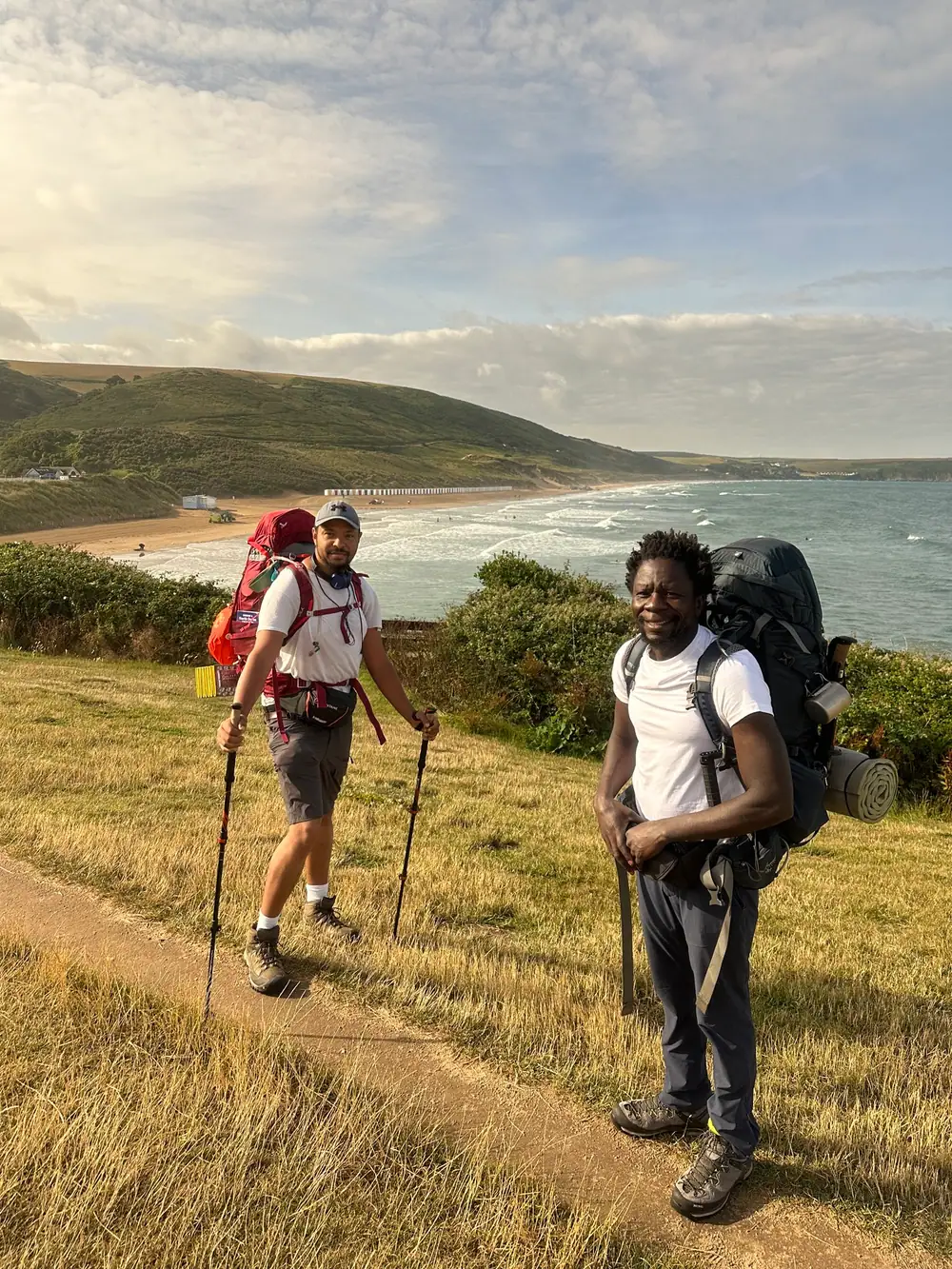
THE TWO OF US
SEAN LEWIS
A visual effects wizard who can command Windows 95 and a phone camera to perform near-impossible tasks.
ANDREW OKELLO
A comical commentator who thinks every path is a walk in the park. Rumour has it he has more stories than William Shakespeare.
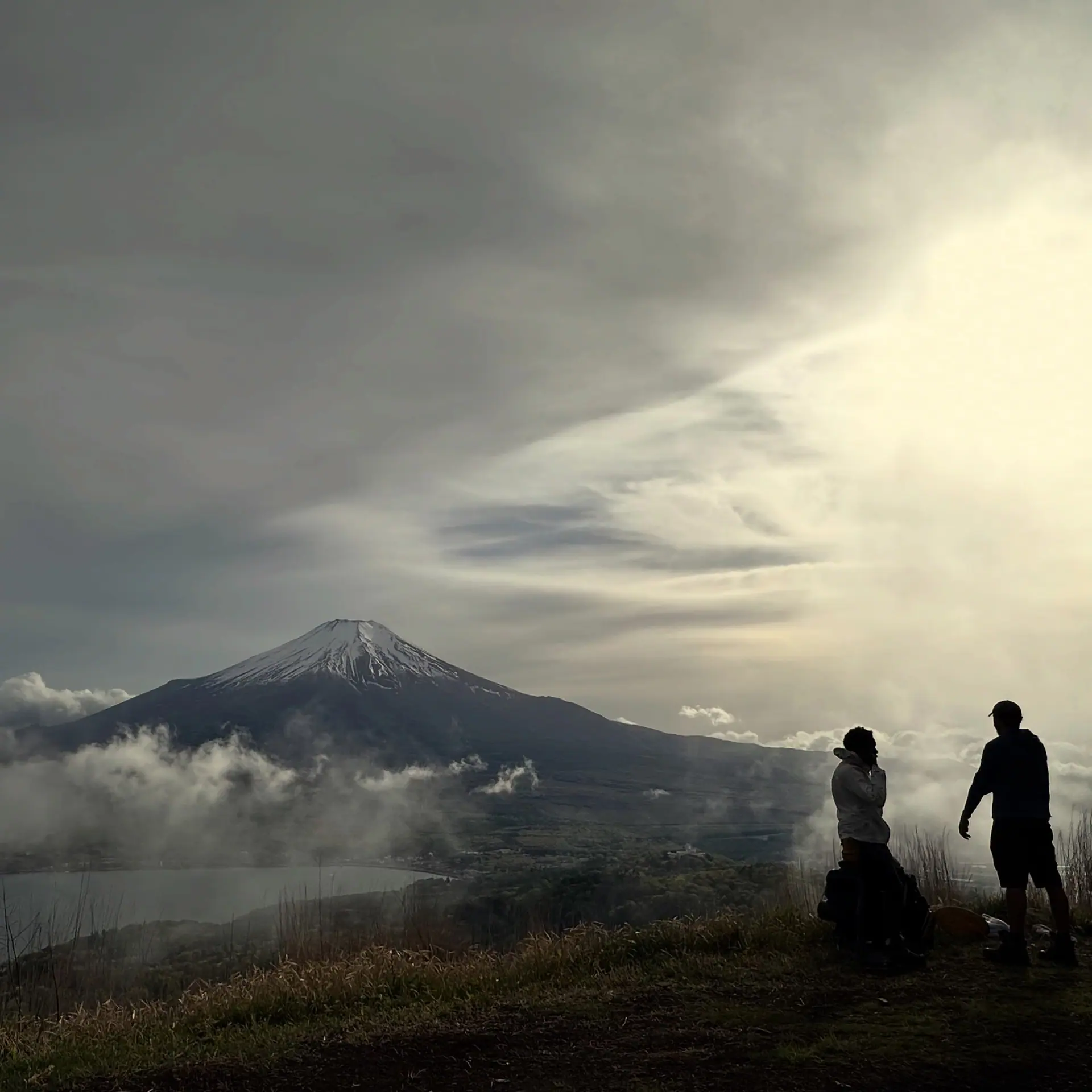
We walked from Osaka to Tokyo. It took three months.
Almost everything that got us there came from people we never met — a note about which shrine would let you sleep in the grounds, a warning about bears, a scrap of paper saying the path ahead had washed away. And almost everything we learned went nowhere. We finished, went home, and none of it went anywhere.
FOLLOW THE JOURNEY